For years, I thought the problem was that I didn't have enough time.
I wanted more time to exercise. More time to spend with family and friends. More time in nature. More time to work on my business. More time to rest. More time to simply be.
But when I finally created more time for myself, I realized something I hadn't expected:
I didn't just need more time. I needed to relearn how to use it.
Years of Hustling
For much of my adult life, I was used to being busy.
Before transitioning into private practice full-time, I worked a demanding schedule while simultaneously building Inner Strength Counseling Services, LLC. I could see around 30 clients across three days, often spending 10 hours with clients while being away from home for 12–14 hours once commuting and everything else was factored in.
Then came the rest of the week.
Thursday through Sunday became the space where I tried to fit everything else—my private practice, documentation, business development, networking, exercise, hiking, family, friends, errands, and whatever else needed to get done.
I loved building my practice, but I was often fitting my life into the leftover spaces.
Exercise was something I had to squeeze in. Sometimes I went to the gym. Sometimes I hiked. Sometimes I walked. Sometimes I didn't do anything because I was simply too tired.
For years, I thought that was just what adulthood looked like.
Keep going.
Keep accomplishing.
Keep fitting one more thing into the day.
Then I Became My Own Boss
On July 20, 2026, I officially transitioned into private practice full-time.
I had imagined this moment for a long time.
I knew I would have more control over my schedule. I knew I could create my days differently. I knew I wouldn't have to spend my entire week working around someone else's schedule.
What I didn't anticipate was how strange that freedom would feel.
Suddenly, I had time.
And I wasn't always sure what to do with it.
There was no longer a rigid schedule telling me when I could exercise, when I could work on my business, or when I had to stop.
I had to start making those decisions for myself.
And that meant learning something I had never really practiced before:
How to intentionally use time instead of constantly trying to fill it.
My Body Started Speaking Differently
One of the first things I noticed was my sleep.
For years, waking up at 5:00 AM was part of my routine because I needed to get to work. I'd work all day, last session at 7:00 PM, get home between 8:30 and 9:30 PM, and go to bed somewhere between 10:00 PM and midnight.
Then I started noticing something different.
Some nights, I was tired earlier.
Some mornings, my body wanted to sleep until 5:00 or 6:00 instead of waking at 3:30 or 4:00.
And instead of immediately thinking, "I need to push through," I started asking myself:
What is my body actually asking for?
That question sounds simple.
For someone who has spent years hustling, it isn't.
I also started noticing how quickly I ate. One evening, I made dinner and realized I was eating much more slowly than usual. I paused. I noticed I was getting full. I didn't have to finish everything simply because it was there.
I was practicing something I hadn't given myself much opportunity to practice before:
Slowing down enough to notice.
Then I Started Walking
During my first two weeks of private practice, something surprisingly simple became a milestone for me.
I walked.
Week one: approximately 12 miles.
Week two: approximately 12 miles.
Twenty-four miles in two weeks.
That may not sound extraordinary to everyone, but it was extraordinary to me.
For years, I had been trying to squeeze exercise into the few days I had available. Now I could simply wake up, put on my shoes, and walk.
I didn't need to make it a huge production.
I didn't need to wait until I had three hours available.
I could walk for a mile.
And then go about my day.
The walking became more than exercise. It became evidence that my life was actually changing.
Nature Became Even More Central to My Work
This transition also happened alongside another important milestone in my professional life: I became a Certified Nature-Informed Therapist.
Nature had already been an important part of my personal life and my work through Walk & Talk Therapy. But becoming formally certified gave me an even deeper understanding of how intentionally nature can be incorporated into therapeutic work.
And then I experienced that connection in a way that reminded me why this work matters so much.
During a Nature-Informed Therapy session, I watched a client slow down beside a lake, close her eyes, notice what was happening internally, and then open her eyes and reconnect with what was happening around her.
We talked about anxiety, overwhelm, discomfort, and the things she was carrying.
We noticed the water.
We noticed the trees.
We noticed what she was drawn toward.
At one point, she described the things she was carrying as "baskets" that she needed to put down.
That became part of our work.
She could pick up a natural object that represented something she wanted to release and eventually leave it behind as we continued walking.
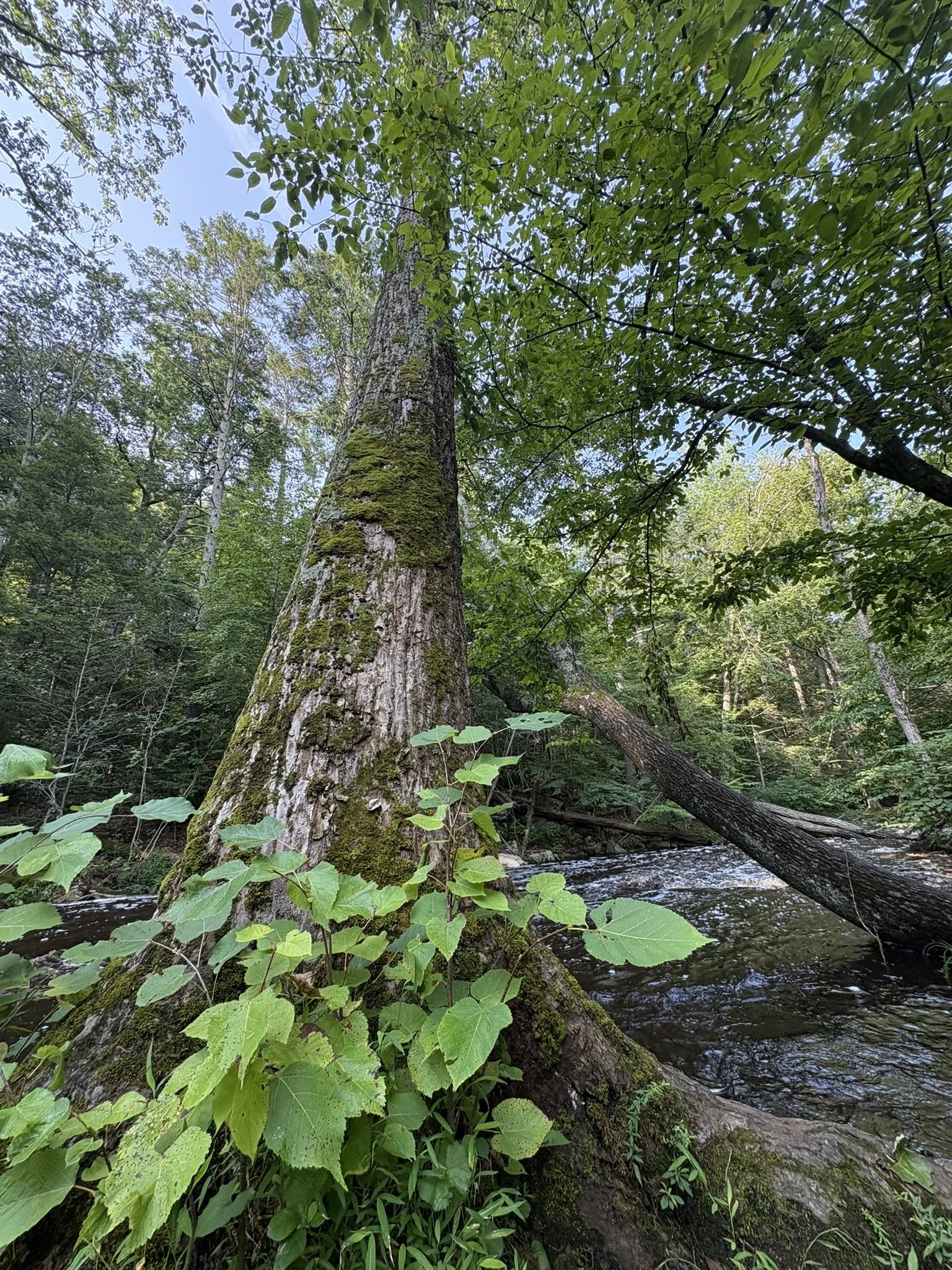
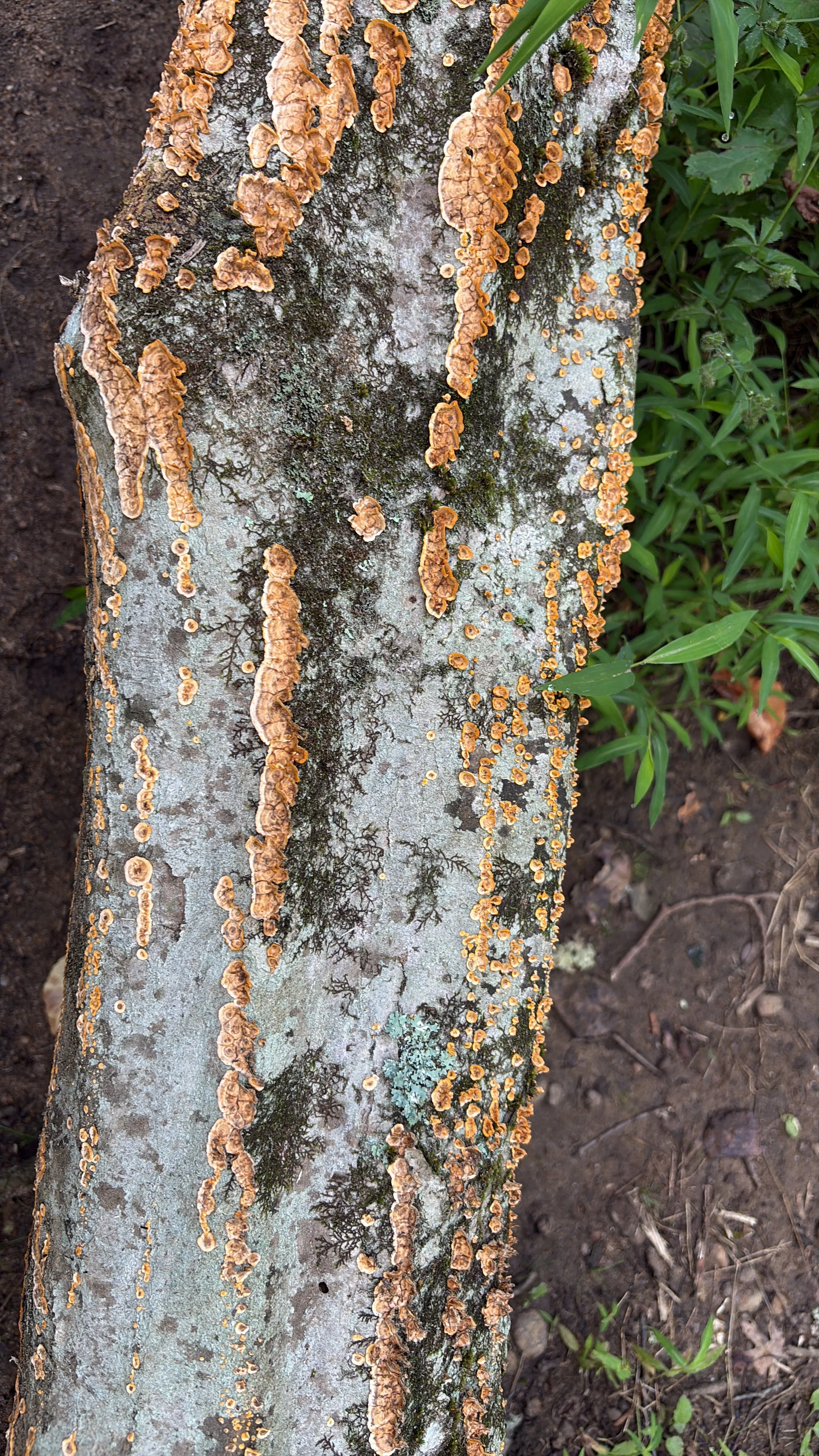
We noticed a fallen tree and talked about how something that appears to be finished can still be contributing to an ecosystem.
That tree became a metaphor for life, aging, change, and the ways we sometimes underestimate our own value when we enter a different season.
The session didn't feel rushed.
There was room for pauses.
Room for silence.
Room to notice.
And I realized something:
This is what I am learning to give myself, too.
Week Three Looked Different
Then came week three.
And I didn't walk nearly as much.
Monday brought storms, and by the time I could have gone outside, it was 8:00 PM and I was exhausted.
Tuesday, I intentionally took the afternoon off before National Night Out and cleaned my apartment.
Wednesday, I went to a concert.
Thursday, the combination of late nights caught up with me. My body was telling me it needed some attention, and I didn't feel well.
But I didn't abandon my responsibilities.
I adapted.
I saw clients from 9:00 AM to noon, took a three-hour break from noon to 3:00 PM, and then returned to clients from 3:00 PM to 7:00 PM. I finished my documentation around 7:30.
That distinction matters.
I didn't stop. I adjusted.
And that is something I am learning to do differently.
In the past, I might have viewed a week without my normal exercise routine as falling off track.
Now I'm learning that a sustainable life isn't about repeating the exact same routine every week.
It's about noticing what is happening and responding accordingly.
I Am Still Learning
There have been moments during this transition when I have caught myself slipping back into old patterns.
Overbooking.
Trying to fit too much into one day.
Feeling like I should be doing more because I technically have the time.
Thinking about all the things I could accomplish instead of noticing what I actually need.
But now I have more choices.
I can leave space between clients.
I can move appointments when something important comes up.
I can spend time with family.
I can say yes to an unexpected invitation.
I can go for a walk simply because I want to.
I can sit on my couch and do nothing for a while without needing to justify it.
And perhaps most importantly, I can recognize that time doesn't always need to be productive to be valuable.
Relearning How to Live
I used to think having more time would automatically make life easier.
It doesn't.
Having more time means having to make choices.
It means learning your own rhythms.
It means noticing when you're tired.
It means figuring out what actually matters to you when nobody else is telling you what your schedule should look like.
I'm still figuring it out.
But I know this much:
I'm no longer trying to squeeze my entire life into whatever time is left after work.
I'm learning to build work around the life I want to live.
And maybe that's what this season of private practice is really teaching me.
Not simply how to build a business.
Not simply how to manage a schedule.
But how to relearn how to live after years of hustling.
The walks are part of that.
The time in nature is part of that.
The slower meals are part of that.
The unexpected afternoons with family are part of that.
The ability to say, "Not today," is part of that.
And the growing realization that I don't need to earn my rest is perhaps the most important lesson of all.
I thought I needed more time.
I didn't realize I needed to learn how to use it.
And I'm still learning.