How Somatic Therapy and Outdoor Therapy Help Women Come Back to Themselves


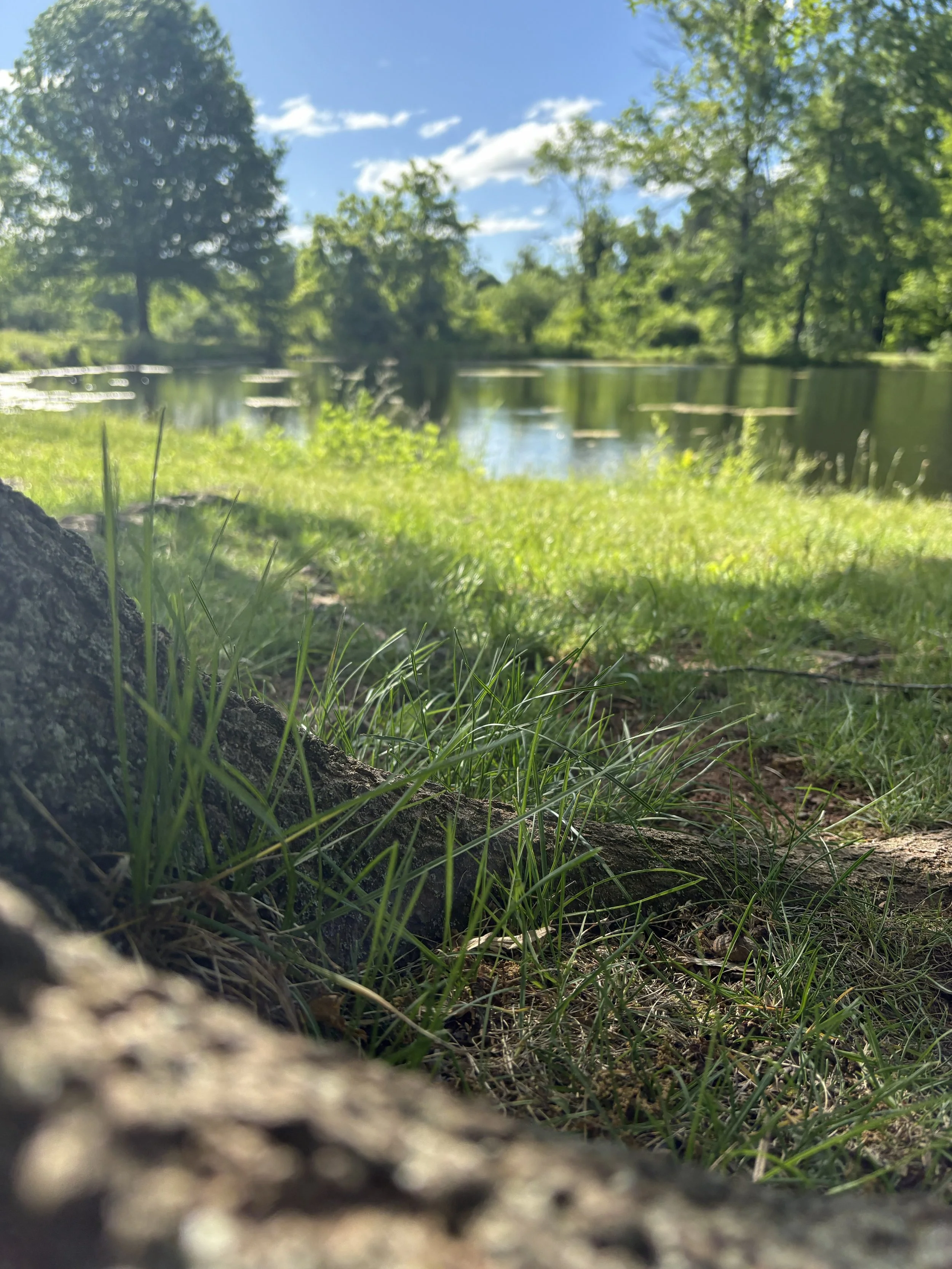
There is something powerful that happens when a woman finally has space to slow down.
Not perform. Not hold it all together. Not explain why she is tired, overwhelmed, anxious, or disconnected.
Just breathe. Notice. Feel. Listen.
Many women move through life carrying so much more than anyone sees. They are caring for children, partners, parents, clients, teams, households, friendships, and everyone’s emotional temperature. They are thinking ten steps ahead. They are remembering the appointments, the groceries, the birthdays, the unpaid bills, the text they forgot to answer, and the conversation that did not feel quite right three days ago.
And then they wonder why their bodies feel tense, exhausted, reactive, shut down, or on high alert.
This is where somatic therapy can be such a beautiful support.
Somatic therapy invites us to include the body in healing. Instead of only talking about stress, trauma, anxiety, or burnout, we begin to gently notice how those experiences live inside the body. When somatic therapy is partnered with outdoor therapy, nature can become part of the healing space too. The trees, the air, the rhythm of walking, the feeling of the ground beneath your feet—all of these can help create a sense of steadiness that is sometimes hard to access when life feels like too much.
What Is Somatic Therapy?
Somatic therapy is a body-centered approach to healing. The word “somatic” simply means related to the body.
In traditional talk therapy, we often focus on thoughts, emotions, stories, beliefs, and patterns. All of that matters. Our stories matter. Our memories matter. Our relationships matter.
But the body also has a story.
Your shoulders may tighten before you realize you are anxious. Your stomach may drop when you receive a difficult text. Your chest may feel heavy when you are grieving. Your jaw may clench when you are angry but trying very hard not to be. Your whole body may brace when you feel criticized, dismissed, or unseen.
Somatic therapy helps you listen to those cues with curiosity instead of judgment.
It is not about forcing your body to relax. It is not about doing deep breathing perfectly. It is not about bypassing your feelings or pretending everything is fine.
It is about building a safer relationship with your body, little by little.
Your Body Is Not the Problem
So many women come to therapy feeling frustrated with themselves.
“Why do I overreact?” “Why can’t I just let this go?” “Why do I shut down?” “Why do I feel so tired all the time?” “Why do I know better but still feel stuck?”
Somatic therapy offers a compassionate reframe: your body is not betraying you. Your body is trying to protect you.
When you have been under chronic stress, experienced trauma, had to be the strong one, or learned to disconnect from your own needs, your nervous system adapts. It may become very good at scanning for danger, anticipating disappointment, pleasing others, pushing through, or shutting down when things feel like too much.
These responses are not character flaws. They are survival strategies.
And once we can see them that way, we can begin to work with them more gently.
Why Women’s Stress Often Lives in the Body

Women are often taught to override their bodies.
We are praised for being productive, agreeable, selfless, thin, pleasant, attractive, emotionally available, and endlessly capable. We learn to keep going even when we are tired. We learn to say “I’m fine” when we are not. We learn to smile when we are uncomfortable. We learn to take care of everyone else before we ask, “What do I need?”
Over time, this can create a deep disconnection from the body.
You may not notice you are hungry until you are shaky. You may not notice you are angry until you explode. You may not notice you are overwhelmed until you are crying in the car. You may not notice you are resentful until you have nothing left to give.
The body often whispers before it screams.
Somatic therapy helps you hear the whispers sooner.
Stress Is Not Just in Your Mind
When stress builds, it affects the whole system. You may feel it in your sleep, digestion, breathing, muscle tension, energy, mood, focus, and relationships.
You may also notice patterns like:
Feeling wired but exhausted
Having trouble resting without guilt
Feeling disconnected from joy
Overthinking every decision
Snapping at people you love
Freezing during hard conversations
Feeling numb or checked out
Carrying tension in your neck, jaw, shoulders, belly, or chest
Somatic therapy does not ask, “What is wrong with you?”
It asks, “What has your body been carrying, and what support does it need now?”
That question changes everything.
How Outdoor Therapy Can Support Somatic Healing
Outdoor therapy, including Walk & Talk therapy, can be a natural partner to somatic work.
Something happens when we step outside. The body receives different cues. There is space. There is movement. There is light. There are sounds that are not coming from a phone, a laptop, or another demand.
Nature can help us slow down without making slowing down feel like another task.
For many women, sitting face-to-face in an office can feel intense. Walking side by side may feel easier. Looking at the trees, the path, the sky, or the ground can give the nervous system a little more room. The conversation can unfold with less pressure.
And when we bring somatic awareness into that outdoor space, therapy can become even more embodied.

Nature Gives the Nervous System Something Steady
The nervous system is always listening.
It listens for danger, but it also listens for safety. Safety does not always come from words. Sometimes it comes from rhythm, warmth, space, breath, movement, and connection.
Working with a nature informed therapist may help your body begin to register:
The steadiness of the ground. The rhythm of walking. The sound of birds or leaves. The feeling of air on the skin. The visual softness of trees, water, or open sky. The reminder that life moves in seasons.
These are not small things.
For a woman who has been living in survival mode, these cues can support the body in beginning to settle.
What Somatic Therapy Might Look Like Outdoors
Somatic therapy does not have to be complicated. In fact, some of the most powerful practices are very simple.
During an outdoor therapy session, you might pause and notice your feet on the ground. You might track how your breathing changes as you talk about something tender. You might notice that your shoulders lift when you talk about work, or your belly tightens when you talk about a relationship.
You might be invited to slow down and ask:
“What do I notice in my body right now?” “Does this sensation have a shape, temperature, movement, or texture?” “What happens inside as I take a few slower steps?” “Is there anything in nature that feels supportive to look at right now?” “What does my body want me to know?”
This is not about analyzing every sensation. It is about creating a gentle conversation with your body.
A Simple Outdoor Somatic Practice
Here is a simple practice you can try the next time you are outside.
Find a place where you feel comfortable enough to pause. You do not need a perfect hiking trail or a quiet forest. A backyard, sidewalk, park bench, or patch of sky can be enough.
Start by feeling your feet.
Notice the contact between your feet and the ground. You might gently shift your weight from one foot to the other. Let your eyes look around slowly and name three things you see.
Then notice your breath without changing it.
Ask yourself, “What is happening inside right now?”
Maybe you notice tension. Maybe you notice sadness. Maybe you notice nothing. That is okay too. There is no right answer.
Now look for one thing outside that feels even a little pleasant or steady. A tree. A cloud. A color. A sound. A breeze.
Let yourself take that in for a few moments.
You are not trying to fix your whole life in one breath. You are simply reminding your body: in this moment, I am here.
That is a beginning.
Why This Matters for Anxiety, Burnout, and Life Transitions
Women often seek therapy during times of transition.
A relationship changes. A child grows up. A career shift. A loss cracks something open. Burnout becomes impossible to ignore. Anxiety gets louder. The old way of coping no longer works.
These moments can feel scary, but they can also be invitations.
The body may be saying, “I can’t keep doing it this way.”
Somatic therapy can help you learn how to stay with yourself through change. Outdoor therapy can support that process by bringing movement, perspective, and grounding into the work.
Together, they can help you build skills for:
Recognizing your stress signals sooner
Regulating your nervous system with more compassion
Feeling more present in your body
Setting boundaries from a grounded place
Moving through emotions without being swallowed by them
Reconnecting with your needs, desires, and inner wisdom
Feeling less alone inside your own experience
This kind of healing is not about becoming a perfectly calm person. That is not real life.
It is about becoming more connected to yourself, so you can respond instead of react. It is about learning how to come back to your body with kindness. It is about trusting that your body has been trying to help you survive, and now it can also help you heal.
Coming Back to Yourself
So many women are walking around feeling disconnected from themselves, but still functioning. Still showing up for others. Still doing all the things for everyone else.
But functioning is not the same as feeling alive.
You deserve more than pushing through. You deserve to feel supported. You deserve to have places where you do not have to be the strong one. You deserve to understand what your body has been carrying and learn how to care for it with compassion.
Somatic therapy and outdoor therapy both invite you to slow down and listen.
One helps you listen inward. The other reminds you that you are part of something larger.
Together, they create a gentle path back to yourself.
Not by forcing change. Not by judging your survival patterns. Not by telling you to calm down.
But by helping you notice, soften, move, breathe, feel, and remember:
Your body carries the wounds.
But it also carries wisdom.
And healing can begin when you finally have enough safety to listen.
Further Reading
If you would like to learn more about the connection between the body, nervous system, and healing, these resources may be helpful:
Research on nature-based interventions suggests that spending intentional time in nature may support mental health, including mood, anxiety, and emotional well-being.
Research on Somatic Experiencing also explores how body-oriented therapy can help people work with sensations, stress responses, and trauma held in the nervous system.

Bio: Toni Teixeira, LCSW, is a Licensed Clinical Social Worker, Certified Clinical Trauma Professional, trauma-informed somatic psychotherapist, Certified Brainspotting Therapist, and Level 2 AEDP therapist. She helps adults heal from trauma, anxiety, grief, emotional overwhelm, and early attachment wounds by supporting nervous system regulation, emotional resilience, and a deeper connection to the self. Toni integrates body-based therapy and trauma-informed approaches to help clients feel safer, more grounded, and more like themselves. She is also the author of Reflections: A Therapy Companion and the forthcoming book Easy Somatic Exercises for Everyone.